×
You copied the event url to the clipboard
Menu
Navigation
Search Website
Home
News & Events
Blog
Letters, Comments, Petitions
Podcasts
Events
Press Releases
Videos
View All
Research
ILR Briefly: The Illinois Challenge, Excessive Litigation and Liability in the Land of Lincoln
ILR Briefly: Indiana's Liability Environment and Opportunities for Legal Reform
Private Power, Public Harm: The Coercive Dynamics of Mass Arbitration
Tort Costs in America - Commercial Auto: An Analysis of the Economic Impact of Commercial Automobile Tort Costs
Municipality Litigation: The Plaintiffs' Lawyer Playbook
View All
Issues
Arbitration
Asbestos
Class Action Litigation
Data Privacy
False Claims Act (FCA)
Third Party Litigation Funding (TPLF)
Securities Litigation Reform
Telephone Consumer Protection Act (TCPA)
International Litigation
State Attorneys General
View By Issue
View by Location
Illinois
California
Florida
New York
Texas
State Legal Climate Ranking
View All States
View International
About
Our Leadership
History of Tort Reform
Join the Mailing List
Home
News & Events
Blog
Letters, Comments, Petitions
Podcasts
Events
Press Releases
Videos
View All
Research
ILR Briefly: The Illinois Challenge, Excessive Litigation and Liability in the Land of Lincoln
ILR Briefly: Indiana's Liability Environment and Opportunities for Legal Reform
Private Power, Public Harm: The Coercive Dynamics of Mass Arbitration
Tort Costs in America - Commercial Auto: An Analysis of the Economic Impact of Commercial Automobile Tort Costs
Municipality Litigation: The Plaintiffs' Lawyer Playbook
View All
Issues
Arbitration
Asbestos
Class Action Litigation
Data Privacy
False Claims Act (FCA)
Third Party Litigation Funding (TPLF)
Securities Litigation Reform
Telephone Consumer Protection Act (TCPA)
International Litigation
State Attorneys General
View By Issue
View by Location
Illinois
California
Florida
New York
Texas
State Legal Climate Ranking
View All States
View International
About
Our Leadership
History of Tort Reform
Join the Mailing List
Follow ILR on Twitter
Opens in a new tab
Follow ILR on LinkedIn
Opens in a new tab
Follow ILR on Youtube
Opens in a new tab
Follow ILR on Facebook
Opens in a new tab
Opens in a new tab
Search Website
Blog
The latest news, posts, press releases, and media from the U.S. Chamber Institute for Legal Reform.
Show Filters
Filter
Issue
Issue
Arbitration
Asbestos
Class Action Litigation
COVID-19 Liability
Damage Caps
Data Privacy
Expert Evidence
False Claims Act (FCA)
Foreign Corrupt Practices Act (FCPA)
Insurance
International Initiatives
Lawsuit Lending
Mass Tort Multidistrict Litigation
Medical Liability
Municipality Litigation
Nuclear Verdicts
Other Issues
Over-Enforcement
Plaintiffs FIrm
Public Nuisance
Retroactive Liability
Securities Litigation Reform
State Attorneys General
Telephone Consumer Protection Act (TCPA)
Third Party Litigation Funding (TPLF)
Transnational
Trial Lawyer Advertising
Trucking
Content Type
Content Type
Blog
Issues
Letters, Comments, Petitions
Podcasts
Press Releases
Research
Uncategorized
Videos
Date
Date
May
April
March
February
January
November
October
September
August
July
June
May
April
March
February
January
December
November
October
September
August
July
June
May
April
March
February
January
December
November
October
September
August
July
June
May
April
March
February
January
December
November
October
September
August
July
June
May
April
March
February
January
December
November
October
September
August
July
June
May
April
March
February
January
December
November
October
September
August
June
May
April
March
February
January
December
November
October
September
August
July
June
May
April
March
February
January
December
November
October
September
August
July
June
May
April
March
February
January
December
November
October
September
August
June
May
April
March
February
January
December
October
September
August
July
June
May
April
March
February
January
December
November
October
September
August
July
June
May
April
March
February
January
December
November
October
September
August
July
June
May
March
February
January
December
November
October
September
June
May
April
March
February
December
November
October
September
June
May
April
March
February
December
November
October
September
August
July
June
May
March
February
January
December
October
September
August
July
June
May
April
March
December
November
October
September
August
July
June
May
April
March
February
January
December
November
October
September
August
July
June
May
April
March
February
January
December
November
October
September
August
July
June
May
April
February
January
December
September
July
June
May
March
February
January
December
November
October
September
August
July
June
May
April
March
February
January
December
November
October
September
August
July
June
April
March
February
January
November
July
June
May
April
March
February
January
November
October
July
May
March
January
December
November
October
September
June
May
March
February
November
September
August
July
June
March
February
January
September
December
Filter
April 27, 2026
Kansas Delivers Major Legal Reform Wins: Public Nuisance Protections and Municipal Litigation Accountability
Read More
April 9, 2026
What is Public Nuisance?
Read More
March 27, 2026
Missouri’s Moment: Making the Justice System Work for Everyone
Read More
March 24, 2026
Minnesota Considers a Costly New Burden for Families and Small Businesses
Read More
March 23, 2026
A Uniform Federal Rule for Third-Party Litigation Funding Disclosure: It’s Time for Transparency
Read More
March 16, 2026
Buffalo Wild Wings Lawsuit Raises Questions About “Boneless Wings” — and Frivolous Litigation
Read More
March 5, 2026
What Is the Difference Between Civil and Criminal Law?
Read More
February 23, 2026
Hawaiʻi Considers a Costly New Burden for Families and Businesses
Read More
February 17, 2026
The Time is Here to Address the Hidden Tax on Indiana Families
Read More
February 10, 2026
New Jersey Considers Major New Costs for Households
Read More
February 4, 2026
Florida Legal Reforms: Litigation Falls, Consumer Savings Rise, and Lawmakers Face Another Important Choice
Read More
January 26, 2026
Reform Can Cut Costs for Indiana Households
Read More
January 12, 2026
Georgia AG Sets Important Example, Addressing Mass Arbitration Abuses
Read More
January 9, 2026
New Yorkers Could Face Significant Cost Hike
Read More
November 20, 2025
Pennsylvania May Sharply Raise Taxpayer Bill for Natural Disasters
Read More
November 13, 2025
Florida Legal Reforms Deliver Cash to Consumers
Read More
October 20, 2025
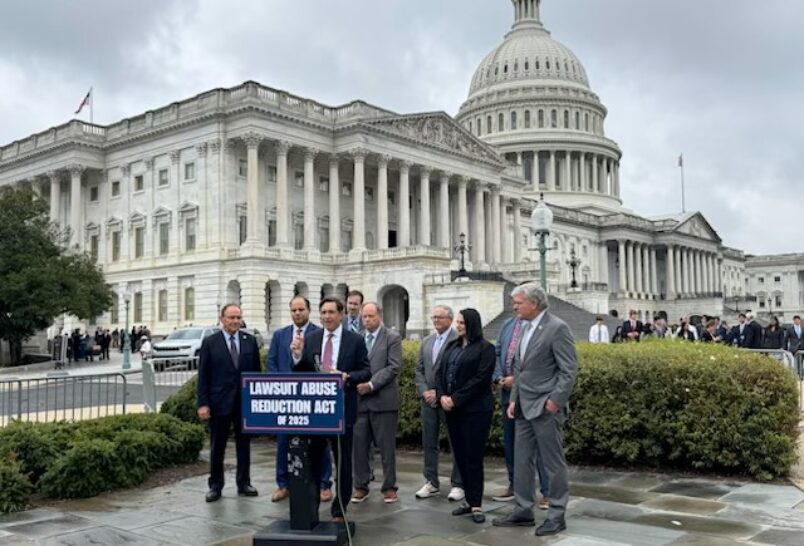
The Return of a Good Idea: Celebrating the Reintroduction of the Lawsuit Abuse Reduction Act
Read More
October 14, 2025
Lifting the Shadows: Restating the Case for Reforming Third-Party Litigation Funding (TPLF)
Read More
September 29, 2025
Justice for Growth: An Opportunity to Address Europe’s Multi-Billion-Euro Lawsuit Funding Industry
Read More
September 22, 2025
Mass Torts, Minimal Merit: Why MDL Reform Matters
Read More
1
2
3
…
22
Next Page